




Only 17% of respondents are open about their sexual orientation and gender identity, 38% have experienced some form of violence or threats
As many as 22% of respondents experienced violence at the hands of family members because of their identity, while 30% experienced violence in an intimate relationship during their lifetime, indicating that same-sex relationships are not automatically free from power imbalances and patterns of control, according to the study

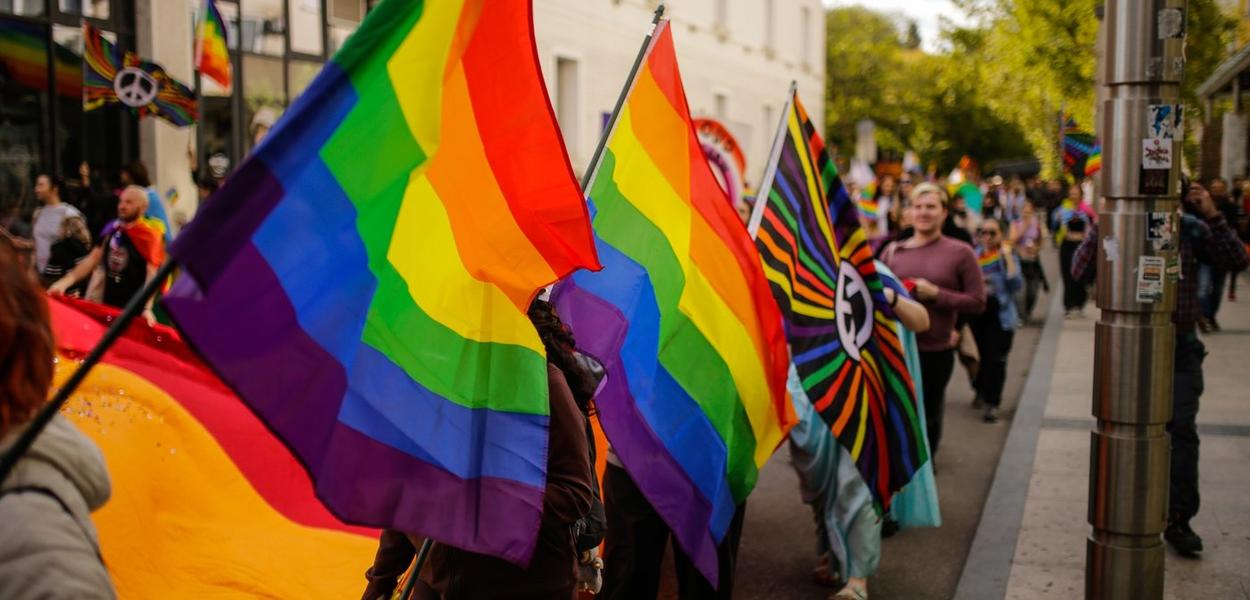
Only 17% of respondents are fully open about their sexual orientation and gender identity, while nearly half (46%) have come out only to a few people close to them, according to the findings of the first study on gender-based violence against LBTIQ+ women, „Violence That Goes Unseen“, conducted by the LGBTIQ association Queer Montenegro.
In such circumstances, it was noted, selective visibility is not a matter of free choice, but a necessary strategy for survival and protection against judgement, discrimination or violence.
The study, which included an online questionnaire that collected 123 responses, 50 in-depth interviews and two focus groups, found that as many as 38% of respondents had experienced some form of violence or threats during their lifetime.
- Over the past 12 months, psychological violence (34%) and verbal abuse (33%) were the most prevalent forms of violence. Digital violence (13%), sexual violence (13%), economic abuse (10.6%) and physical violence (approximately 10%) were also recorded - the statement specified.
Family and intimate relationships were identified as frequent sources of violence.
- As many as 22% of respondents experienced violence at the hands of family members because of their identity, while 30% experienced violence in an intimate relationship during their lifetime. This indicates that same-sex relationships are not automatically free from power imbalances and patterns of control - the study found.
The research also revealed a significant gap in trust in the relevant authorities.
- Although 64% of respondents know whom they would turn to in the event of violence, as many as 80% have never reported violence to the authorities, and only 2% have complete confidence in the protection system. These experiences show that women remain silent not because violence is unimportant, but because they fear being outed, stigmatisation and judgement, and lack confidence in institutions and their ability to provide adequate protection for women in the community - the statement noted.
Based on the findings, an analytical report and practical policy recommendations were developed and subsequently used as the basis for advocacy efforts.
- The findings were presented directly and shared during meetings with representatives of non-governmental organisations and political parties in Montenegro, with the aim of initiating systemic solutions - the statement said.
The research was conducted as part of the project “We Exist. We Resist!”, supported by the EL*C network and the European Union. Its primary aim is to highlight the invisibility and systemic neglect of the experiences of LBTIQ+ people affected by gender-based violence.