



Picula for ETV Portal: First tasks of Serbia’s new government - full accountability for the Novi Sad tragedy, freeing the judiciary and the media, and tackling corruption

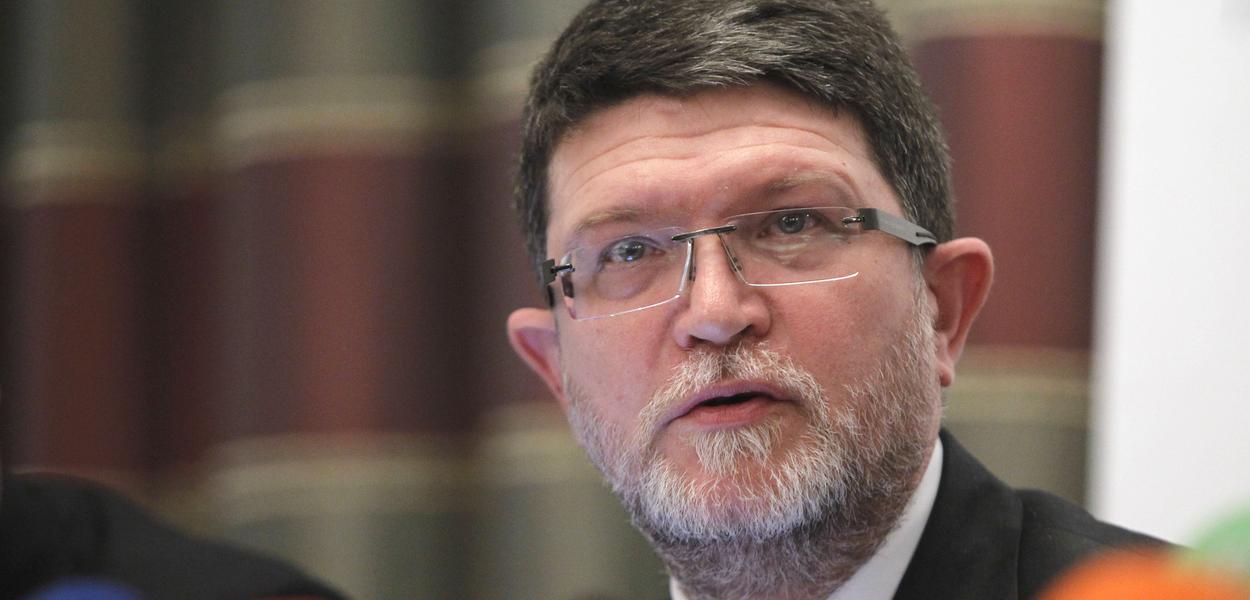
The European Parliament’s rapporteur for Serbia, Tonino Picula, told ETV Portal in an interview that the first test for the new government in Belgrade would be establishing accountability for the tragedy in Novi Sad, fighting corruption, and freeing the judiciary, prosecution service and media from political influence. He warned that scrutiny of former government officials’ accountability must be based on the law and evidence, rather than political assessments, and that a democratic transfer of power must not turn into revanchism.
Picula said, speaking about foreign policy, that the new government was not currently expected to impose sanctions on Russia, but stressed that a country seeking EU membership cannot benefit from EU membership in the long term while avoiding alignment with the Union’s foreign policy. Regarding the Belgrade–Pristina dialogue, he said that normalisation of relations was not a condition imposed by Brussels, but a prerequisite for regional stability and the European future of both sides.
DEMOCRATIC TRANSFER OF POWER MUST NOT TURN INTO REVANCHISM
- First and foremost, the new majority must assume responsibility for governing the country calmly and with dignity. The constitution of the National Assembly and the election of a new government will take weeks, and during that period, responsibility for stability and security will remain with the outgoing government, which will continue in a caretaker capacity. It is important that no one attempts to exploit this period to delay the process or create tensions. It is equally important to send a message against revanchism, because this is precisely what distinguishes a democratic transfer of power from a mere replacement of one ruling group by another - Picula said.
Speaking about citizens’ expectations of the new government, he stressed that its priorities must be accountability for the Novi Sad tragedy, the fight against corruption, and freeing institutions from political influence.
- Once the government is elected, citizens will rightly expect it to address the issues that have brought them out onto the streets for the past two years: full accountability for the tragedy in Novi Sad, the fight against corruption, and freeing the judiciary, prosecution service and media from political influence. The announcement of a review of the accountability of former government officials and the establishment of a dedicated anti-corruption body points in that direction, but great precision is needed here. Such a process must be based on the law and evidence, rather than political assessments; otherwise, it could undermine precisely the rule of law it seeks to restore - Picula noted.
According to him, the key indicator will be the choice of people appointed to lead the institutions.
- The real test will come with personnel appointments: whether qualified and independent people will be placed at the head of institutions or whether they will simply be replaced by new loyalists. The new government must also quickly demonstrate that it listens to those who did not vote for it, because a deeply divided society cannot be reformed against almost half of its own citizens - Picula said.
SERBIA CANNOT ENJOY THE BENEFITS OF THE EU WHILE AVOIDING ALIGNMENT WITH ITS FOREIGN POLICY
Asked whether the new government would be expected to impose sanctions on Russia, Picula replied that, judging by the Students’ List platform, such a move was not currently on the horizon.
- Judging by what the Students’ List published during the election campaign, not at this point. Its platform envisages maintaining the existing policy of not imposing measures against Russia, and, frankly, this is one of the issues on which the new government does not yet differ from its predecessor. I have, however, noted that the list’s lead candidate said after the elections that Serbia’s approach to Russia should be discussed openly within Serbian society. This leaves some room for discussion, but room for discussion is not yet a decision - he said.
Picula acknowledged that the issue was politically sensitive in Serbia, but argued that alignment with the EU’s foreign and security policy went beyond technical obligations and political concessions to Brussels.
- I understand that this is an uncomfortable issue in Serbia and that the new government does not want to open a conflict with some of its own voters right at the outset. However, alignment with the Union’s foreign and security policy is neither a technical obligation nor a concession to Brussels. It is a fundamental decision of principle at a time when Russia continues to wage its war of aggression against Ukraine and when this is precisely the issue on which Europe is most united - Picula stressed.
He therefore does not expect any sudden moves, but does expect a gradual shift towards European policy.
- A country that wants to become a member of the Union cannot enjoy its benefits at home in the long term while avoiding alignment in its foreign policy. That is why I do not expect any sudden moves, but I do expect the new government to begin a gradual and credible process of alignment relatively soon - he emphasised.
THE BELGRADE–PRISTINA DIALOGUE MUST GAIN NEW MOMENTUM
Speaking about the continuation of the Belgrade–Pristina dialogue, Picula recalled that the Students’ List had announced that it would continue the process under the auspices of the European Union and implement the Brussels Agreement.
- The Students’ List has stated that it will continue the dialogue under EU mediation and implement the Brussels Agreement. This is important because the process has been practically frozen in recent years, while tensions in northern Kosovo have shown just how dangerous such a vacuum can be. Normalisation of relations between Belgrade and Pristina is not a condition invented by Brussels, but a prerequisite for the stability of the entire region and the European future of both sides - Picula said.
Nevertheless, he believes that a rapid shift in the Students’ List’s position on Kosovo’s status should not be expected.
- At the same time, we should not entertain any illusions. The Students’ List continues to maintain that Kosovo is part of Serbia, and no rapid change of position on this issue should be expected. What can and must be expected, however, is a different approach: dialogue in good faith, implementation of what has already been agreed in both Brussels and Ohrid, and an end to the use of Kosovo as a tool for domestic political mobilisation - Picula noted.
He added that progress would require both sides to demonstrate a willingness to compromise.
- Pristina must also demonstrate a willingness to compromise, particularly when it comes to the Association of Serb-Majority Municipalities. If both sides seize this opportunity for change, the European Union can restore the momentum to the dialogue that it has lacked for far too long - Picula concluded.