




The Constitutional Court has suspended the deportation of a Russian national through an interim measure

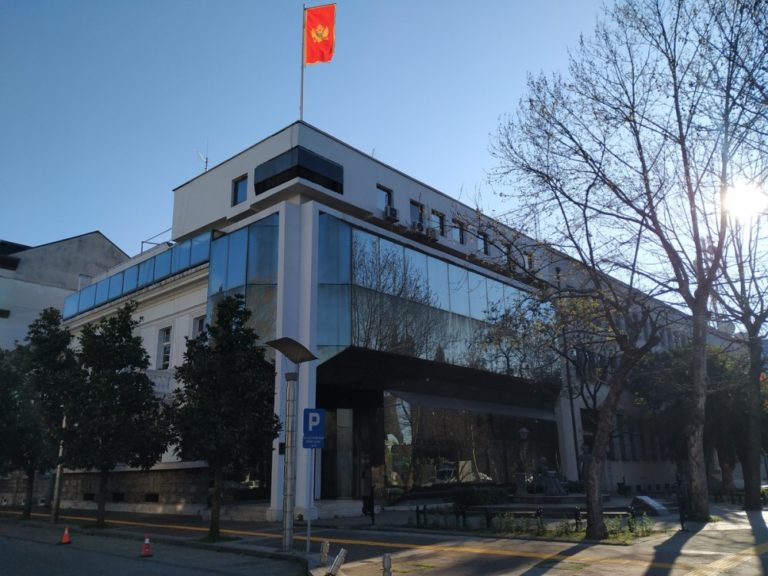
The Constitutional Court of Montenegro has issued an interim measure suspending the deportation of a Russian national, T. D., following a decision by the Police Directorate, as there are reasonable grounds to question whether his extradition could result in torture or inhuman treatment in that country, given that he belongs to a minority ethno-religious group.
As stated by the Constitutional Court, the applicant had previously sought international protection in Montenegro – asylum - claiming that, as a member of the Yazidi ethnic community, he had been subjected to persecution, discrimination, torture, and abuse by the authorities of the Russian Federation.
- He also emphasized that, in the event of his return, he would face criminal prosecution for refusing to participate in the war against Ukraine, as he does not wish to take part in something that could be classified as a war crime against the civilian population. He further stated that members of his family have obtained or are in the process of obtaining asylum in France - the Constitutional Court noted.
The Ministry of Interior rejected his asylum request, and that decision was upheld by the Administrative Court and the Supreme Court of Montenegro.
- The decision was based, among other things, on a negative opinion issued by the National Security Agency. Following this, T. D. filed a constitutional complaint with the Constitutional Court - it was specified in the statement.
By suspending the extradition, the Constitutional Court has not taken a final position on the merits of his claims, but has only temporarily halted the extradition through an interim measure.
- This is because, if he were extradited and his constitutional complaint were later upheld, irreparable harmful consequences would occur, and the protection of his human rights would not be effective - the statement concludes.