




Vučić intensifies pressure as Montenegro races toward the EU; Iličić: Nervousness in Belgrade and Moscow

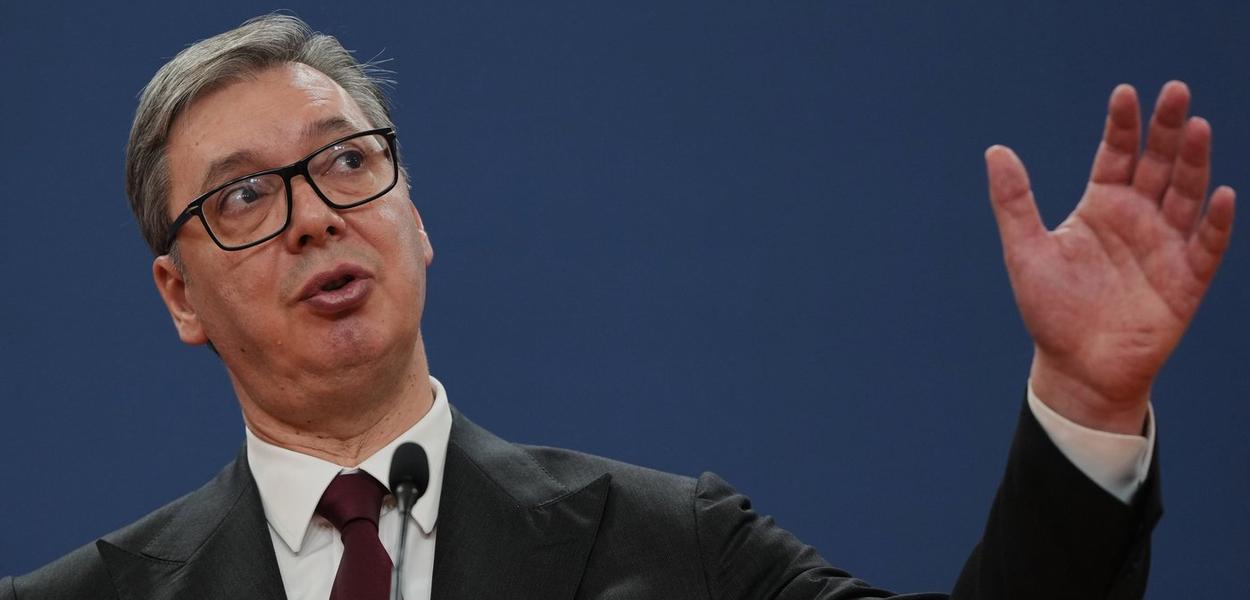
Montenegro has become, according to „Slobodna Bosna“ („Free Bosnia“) journalist, columnist and political analyst Mario Iličić, one of the key places where the interests of Belgrade, Moscow and the West intersect. As Podgorica approaches the final stage of its negotiations with the European Union, Belgrade is, Iličić believes, stepping up political pressure in an attempt to retain its influence over Montenegro and slow down its European path.
- Through these pressures, official Belgrade is attempting to slow down or destabilise Montenegro’s path toward the EU so that Serbia does not remain regionally isolated - Iličić told ETV Portal.
He points out that behind the latest attacks by Serbian President Aleksandar Vučić against Montenegro lies not merely a diplomatic dispute, but a much broader political and geopolitical interest.
Iličić warns that Montenegro’s NATO membership, and now its rapid progress toward European Union membership, are narrowing the room for Belgrade, and indirectly Moscow, to exert influence over Podgorica. This, he argues, is precisely why the pressure is becoming increasingly intense.
- This drastically reduces the space for Belgrade, and indirectly Moscow, to influence Podgorica’s foreign policy, which is causing nervousness and an intensified political offensive from Serbia - Iličić says.
In an interview with ETV Portal, he discusses the motives behind such a policy, the role of pro-Serbian political structures in Montenegro, Vučić’s relationship with the West and Russia, as well as attempts to keep Montenegro in a state of political tension through identity-related issues.
Montenegro’s European path as a trigger for pressure
- Recent attacks on Montenegro by Serbian President Aleksandar Vučić have largely been driven by Montenegro’s rapid progress toward European Union membership, while Serbia is deliberately lagging behind on that path, as well as by Belgrade’s intention to retain political and identity-based influence over Podgorica - the ETV Portal’s interlocutor says.
Relations between the two countries deteriorated sharply in mid-2026 through several open diplomatic disputes.
- While Montenegro is in the final phase of negotiations and close to joining the EU, Serbia’s negotiations have been stalled for years. Through these pressures, official Belgrade is attempting to slow down or destabilise Montenegro’s European path so that Serbia does not remain regionally isolated - he stresses.
By joining NATO, and now rapidly moving closer to the European Union, Montenegro is, he adds, becoming permanently and institutionally connected to Western democracies.
- This drastically reduces the space for Belgrade, and indirectly Moscow, to influence Podgorica’s foreign policy, which is causing nervousness and an intensified political offensive from Serbia - he says.
Pro-Serbian structures as an instrument of influence
Iličić believes that Vučić does not need to directly control political processes in Montenegro because, as he argues, he already has political allies within Montenegro’s institutions.
- Aleksandar Vučić skilfully uses a „two-track policy“ to maintain power and influence, and Montenegro serves as the perfect arena for this. Through pro-Serbian parties in the Montenegrin parliament and the Speaker of Parliament, Andrija Mandić, a Chetnik commandar (vojvoda) and Vučić’s close associate, Belgrade directly influences the internal stability of its neighbouring country while simultaneously balancing between the West and Russia - he emphasises.
According to him, Vučić does not need to rule Montenegro directly because he has loyal partners in its parliament.
- These politicians regularly travel to Belgrade to seek „their opinion“ and publicly implement policies that suit official Serbia. Their task within the Montenegrin government is to slow down European integration by raising sensitive identity issues and creating unrest within the ruling coalition, portraying Montenegro as an unstable country and slowing its accession to the EU - Iličić says.
As he adds, insisting on issues such as introducing Serbian as an official language, dual citizenship or changing national symbols keeps society in a constant state of tension.
Kosovo, NATO and the limits of what is possible
Speaking about demands by some political actors in Montenegro for Podgorica to withdraw its recognition of Kosovo, Iličić says that such a scenario is practically impossible.
- Revoking Montenegro’s recognition of Kosovo, which Vučić’s people are demanding, is practically impossible. Montenegro is a member of NATO and bound by international obligations, while the majority of citizens and political parties do not want a return to the 1990s - he says.
Balancing between the West and Russia
According to him, Vučić’s regional policy cannot be viewed separately from Serbia’s relations with the West and Russia.
- Let us not forget that Vučić is a master of balancing, which was clearly demonstrated during Ukrainian President Volodymyr Zelenskyy’s visit to Serbia. By meeting with Zelenskyy and sending ammunition to Ukraine through intermediaries, Vučić is buying peace with the Americans and Europeans. Because of this, they often turn a blind eye to his efforts to expand influence in the region - the journalist assesses.
At the same time, he adds, Russia maintains its influence in the Balkans through Serbia. The Kremlin is perfectly happy with any flashpoint or instability in Montenegro,
- Bosnia and Herzegovina or Kosovo, because this diverts the West’s attention away from the war in Ukraine. Vučić uses pro-Russian media in Serbia to amplify the pro-Russian narrative, while his people in Montenegro obstruct decisions aimed at countering Russian influence - he says.
The decision is Montenegro’s
In conclusion, Iličić warns that Montenegro is facing a historic turning point, caught between a European future and ongoing attempts at destabilisation.
- In the end, Montenegro finds itself caught in a difficult position. On the one hand, it has a historic opportunity to soon join the European Union, while on the other, it constantly has to put out political fires orchestrated by Belgrade and Moscow through their domestic allies. In short, it is all up to the people of Montenegro - whether they want to resist pressure from Belgrade or firmly confront it and move toward the West - he concluded.