



Đeka: EU membership can strengthen the protection of minorities and vulnerable groups, but discrimination will not disappear on its own

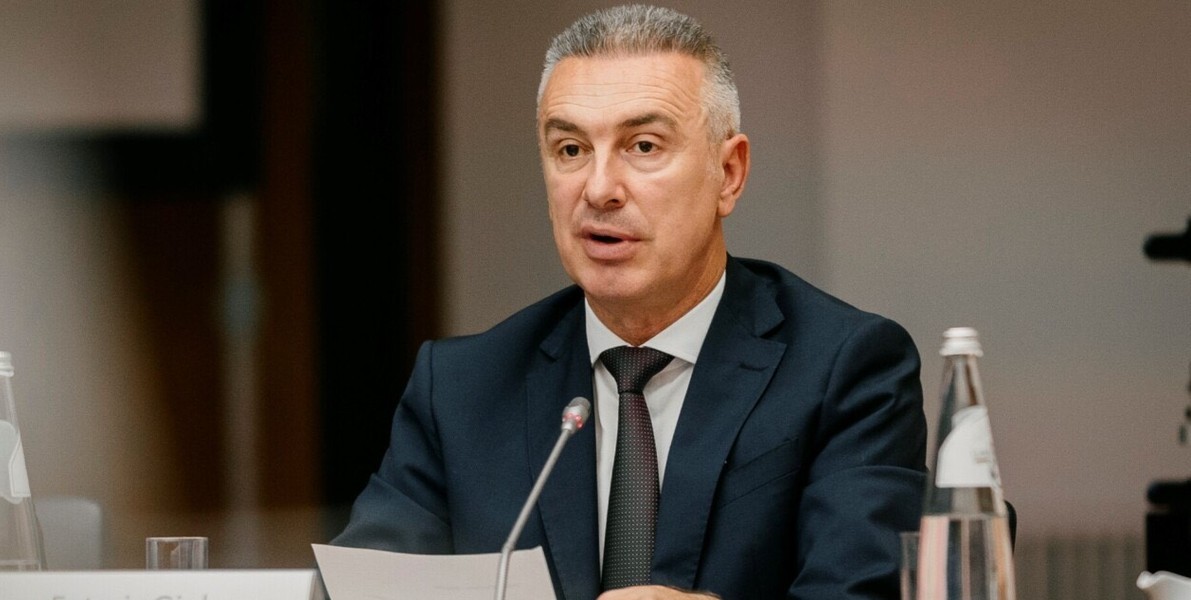
Minister of Human and Minority Rights Fatmir Đeka discusses in an interview with ETV Portal how Montenegro’s membership in the European Union could contribute to the protection of national minorities and other vulnerable groups, the mechanisms available to prevent discrimination, and what is needed to ensure that members of minority communities enjoy genuine, rather than merely formal, equality.
EUROPEAN STANDARDS AND THE PROTECTION OF MINORITIES
- Membership in the European Union can make a significant contribution to stronger protection of the rights of national minorities and other vulnerable groups, but it is important to emphasise that progress does not happen automatically upon accession - Đeka told ETV Portal.
The minister stressed that progress is built throughout the accession negotiations, through the alignment of legislation, the strengthening of institutions and the consistent enforcement of regulations in practice.
Montenegro has continued to improve its legal and institutional framework in this regard. In recent years, the Ministry of Human and Minority Rights has worked intensively on legislation governing equality and the prohibition of discrimination, gender equality, and the role of the Protector of Human Rights and Freedoms. The adoption of these laws represents an important step forward, but their full impact will depend on how effectively they are implemented, how well informed citizens are about their rights, and how responsibly institutions respond to complaints and recommendations.
Speaking about what European standards should mean for members of minority communities, Đeka emphasised the importance of ensuring their full participation in society.
- For members of minority peoples and other minority national communities, European standards should mean not only formal equality before the law, but also a genuine opportunity to participate on an equal footing in education, employment, public affairs and political life, while preserving their languages, cultures and identities - the minister said.
Đeka also highlighted the need for special protection for groups facing multiple barriers, including Roma and Egyptians, as well as women and children within minority communities.
SUPPORT THROUGH EUROPEAN PROGRAMMES
Speaking about support for specific initiatives aimed at promoting equality and protecting rights, the minister highlighted the Ministry’s role in the EU’s CERV programme.
- In this regard, the Ministry also serves as the National Contact Point for the European Union’s CERV programme - Citizens, Equality, Rights and Values - Đeka noted.
Through information-sharing, training and support for potential applicants, the Ministry promotes opportunities for projects that advance equality, civic participation, the protection of rights, and the fight against violence and discrimination. These opportunities can also be important for organisations working with minority communities, particularly those developing initiatives to combat antigypsyism, promote intercultural dialogue, empower women and young people, and strengthen civic participation. CERV is not a substitute for state responsibility, but an additional instrument that can support tangible change.
Đeka stressed that European integration offers standards, monitoring and opportunities for support, but that a genuine reduction in discrimination depends on the consistent enforcement of laws, effective legal remedies, accessible public services, and the willingness of institutions and society to turn equality into everyday practice.
RIGHTS MUST BE ENFORCEABLE IN PRACTICE
Asked whether EU membership can guarantee equality for minority communities and accountability on the part of institutions, Đeka stressed that the key is ensuring that legal rights can be exercised in everyday life.
- Membership in the European Union cannot, in itself, guarantee that every form of discrimination will disappear, but it entails an obligation to consistently uphold European standards for the protection of human rights, equality and the rule of law - Đeka emphasised.
The first mechanism is a sound legal framework supported by independent and effective institutions. These include the courts, the Protector of Human Rights and Freedoms, the relevant inspection authorities and other public bodies, as well as mechanisms for filing complaints and monitoring the implementation of recommendations. The adopted Law on the Protector of Human Rights and Freedoms is important in this regard, as it aims to strengthen institutional independence, transparency in the appointment process, and the effectiveness of rights protection. At the same time, legislation on equality and the prohibition of discrimination, as well as gender equality, should improve discrimination prevention and strengthen the accountability of the relevant authorities and other stakeholders.
As a second mechanism, Đeka pointed to monitoring the implementation of laws and public policies through reliable data, transparent reporting, and the involvement of the communities themselves in decision-making.
When it comes to minorities, this means monitoring not only whether discrimination is prohibited, but also whether members of minority communities have genuine access to education, healthcare, social protection, employment, housing, justice and participation in public life. Preserving languages and cultures, providing information in languages people can understand, and ensuring the effective participation of minority councils and civil society organisations are also important.
The third mechanism is the use of European programmes and partnerships to support specific initiatives. As Montenegro’s National Contact Point for CERV, the Ministry of Human and Minority Rights actively informs institutions, local governments and civil society organisations about programme opportunities, organises training sessions, and builds capacity for preparing project proposals.
CERV can support projects focused on equality, rights, democratic participation and violence prevention. For minority communities, this may mean support for initiatives that encourage their participation, combat stereotypes and discrimination, empower women and young people, and build trust between communities and institutions. The availability of funding depends on the conditions of each call for proposals and the success of individual applications, so it should be viewed as an opportunity rather than an automatic source of funding.
INSTITUTIONS MUST BE HELD ACCOUNTABLE FOR THEIR WORK
Đeka stressed that institutional accountability must be tangible, with clear procedures and opportunities for citizens to protect their rights.
- Ultimately, institutional accountability requires clearly defined responsibilities, deadlines for action, reasoned decisions, the right to appeal and seek judicial protection, as well as monitoring to ensure that the recommendations of independent bodies are actually implemented - the minister underlined.
European oversight and the accession process can provide additional impetus for reforms, but the day-to-day accountability of domestic institutions remains crucial.
- The goal is to ensure that belonging to a minority community is not an obstacle to exercising one’s rights, accessing public services or participating fully in society - Đeka concluded.