




EU concerned over reciprocal entry bans on journalists between Serbia and Montenegro

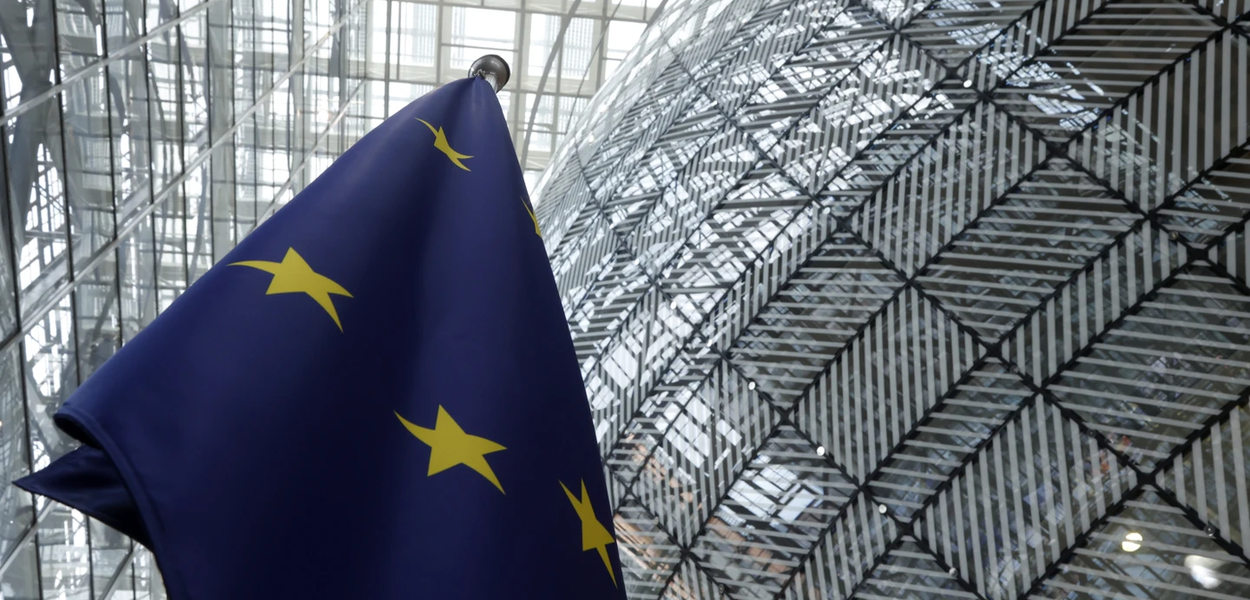
The European Union has expressed concern over the reciprocal entry bans imposed on journalists by Serbia and Montenegro, stressing that measures restricting the work of the media are incompatible with the values expected of countries seeking EU membership.
In a statement to Radio Free Europe/Radio Liberty (RFE/RL), the European Commission said that countries in the EU enlargement process are expected to uphold fundamental European values, including respect for democratic principles, fundamental rights, freedom of expression, and media freedom.
- Progress on the path towards the European Union requires a clear commitment to these values. Measures that may restrict the work of journalists are therefore a cause for concern. Enlargement partners are expected to ensure that journalists are able to carry out their work freely, without unjustified or unfounded restrictions - a European Commission spokesperson told RFE/RL.
The Commission added that EU institutions are aware of reports concerning the reciprocal entry bans imposed on journalists by Serbia and Montenegro and will continue to monitor developments closely.
The reaction from Brussels followed a series of incidents in which several Montenegrin journalists were denied entry into Serbia.
The bans came after Serbian President Aleksandar Vučić announced reciprocal measures in response to the decision by authorities in Podgorica to bar Dragan Vučićević, editor-in-chief of the Serbian tabloid Informer, from entering Montenegro.
Citing information provided by Serbia's security services, Vučić said that Vučićević had been banned from entering Montenegro, describing Podgorica's decision as „a major mistake“.
On July 23, Vladimir Otašević, director of RTV Podgorica, was denied entry into Serbia at the border crossing between the two countries.
Earlier in July, Serbia first barred Petar Komnenić, a journalist with Television Vijesti, from entering the country. A few days later, the same measure was imposed on Vuk Maraš, Executive Director of the Balkan Investigative Reporting Network (BIRN) in Montenegro.
At the end of May, Montenegro's electronic media regulator decided to suspend, for six months, the reception and retransmission of the entire programme of Serbia's Informer TV in Montenegro.
The regulator said the decision was based on findings that the broadcaster's content had insulted the dignity of the Montenegrin people, denied the Montenegrin national identity, promoted hate speech and discrimination, and undermined the dignity of Montenegro's citizens and institutions.
Several international media freedom organisations have previously condemned Serbia's entry bans on Montenegrin journalists. The European Federation of Journalists said the measures posed a threat to investigative journalism, while Reporters Without Borders (RSF) and the International Press Institute (IPI) called on the Serbian authorities to revoke the bans.
EU institutions are also approaching the issue from a broader regional perspective.
Brussels has reiterated that good neighbourly relations and regional cooperation remain essential elements of the European Union's enlargement process.
- We therefore encourage both Serbia and Montenegro to refrain from steps that could further increase tensions and instead engage constructively in resolving outstanding issues - the European Commission spokesperson said.