




Picula for Portal ETV: Glorifying Mladić is a major anti-democratic and anti-state act, creating tensions in Montenegro and disrupting relations with neighbours

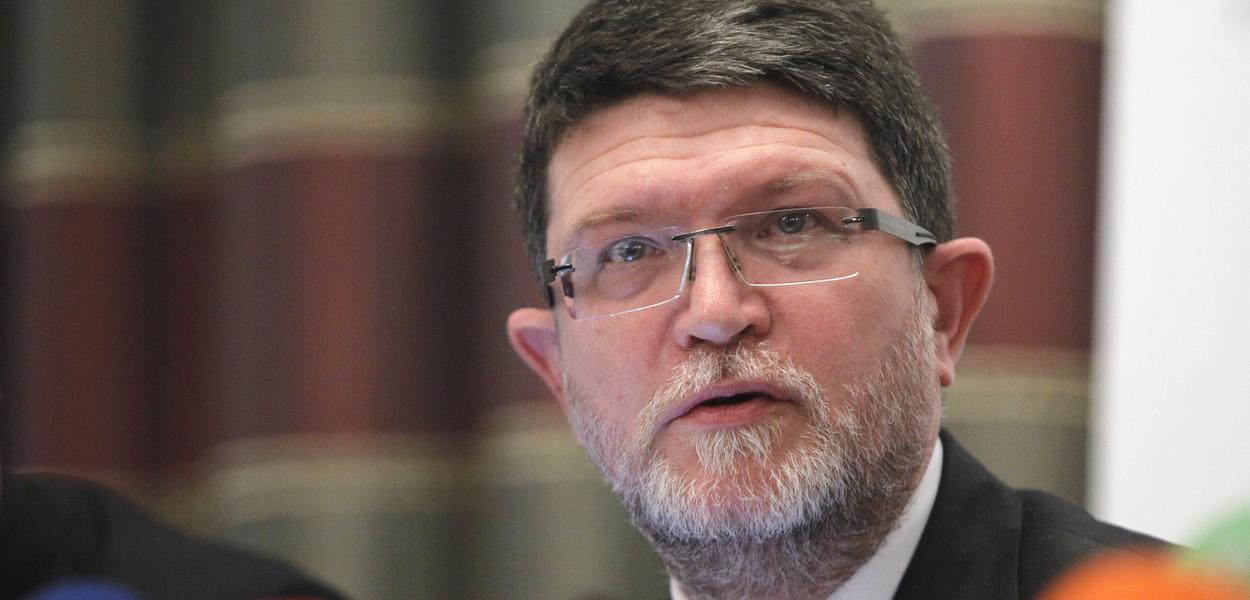
Glorifying convicted war criminal Ratko Mladić is scandalous and has absolutely nothing to do with the European path, reconciliation policies or a culture of remembrance - the European Parliament’s rapporteur for Serbia, Tonino Picula, told Portal ETV.
He warns that granting state honours to and legitimising a convicted war criminal could effectively lead to Serbia’s EU accession negotiations being frozen, while in the case of Montenegro he describes acts glorifying a war criminal as a „major anti-democratic and anti-state act“.
Picula warns that glorifying Mladić could damage Montenegro’s relations with its neighbours, particularly Croatia, while also creating tensions within the country itself and undermining its multi-ethnic character.
Portal ETV: What will images and messages glorifying convicted war criminal Ratko Mladić mean for Serbia’s European future? What could be the long-term consequences of such an attitude towards war crimes and judgments handed down by international courts?
Picula: I believe that any glorification of convicted war criminals is scandalous and has absolutely nothing to do with either the European path or reconciliation policies and a culture of remembrance, which are an integral part of the accession negotiations and the fundamental values of the EU on the path towards membership for any candidate country.
Moreover, the serious warnings issued by European institutions, following which Serbia’s ruling regime also adjusted its narrative, are a clear signal that by granting state honours to, or in any way providing state legitimacy to, a convicted war criminal, Serbia could effectively freeze its negotiations with the EU.
Even merely flirting with such ideas, as well as offering an alternative interpretation of the events of the 1990s, shows that Serbia’s current ruling regime is focused on whitewashing its grim past. Alongside its deliberate use of nationalism, this can to some extent be explained by the fact that some of the people currently in power also held influential positions at the time.
Portal ETV: How is the glorification of Ratko Mladić in Montenegro viewed today in EU circles, including cases in which it is carried out by certain senior state officials? Is this a phenomenon that could push Montenegro into a „danger zone“ when it comes to European integration and relations with EU member states?
Picula: Such developments can only harm Montenegro’s European path, and I believe that all responsible political officials should clearly distance themselves from them.
Such behaviour not only disrupts relations in the region and between neighbouring countries, including Croatia, which is also an EU member, but also creates tensions within Montenegro itself and undermines the country’s multi-ethnic character.
That is precisely why I consider this kind of glorification of a war criminal to be a major anti-democratic and anti-state act, one that is destructive and brings nothing good to Montenegro, but instead unnecessarily complicates relations both within the country and with its neighbours.
Portal ETV: How might Croatia view such developments in Montenegro in the long term, and could they affect relations between Podgorica and Zagreb?
Picula: The Croatian government has publicly condemned the reactions of Andrija Mandić, who is also persona non grata in Croatia, so it is clear that such a move has once again unnecessarily damaged relations between the two countries, particularly given his prominent position as President of the Parliament. This speaks to the seriousness of the situation and the irresponsibility of his actions.
That is why it is important that the President responded, although I can see that the Prime Minister is calculating in order to maintain the parliamentary majority.
Such incidents affect relations between Croatia and Montenegro precisely at a crucial moment when it is in Montenegro’s interest to maintain a constructive dialogue with Croatia in order to complete the accession process itself.
Constructive dialogue and joining the EU cannot go hand in hand with relativising war crimes and glorifying war criminals.