



Rudović: If the plan being pursued in Belgrade, with Alpak Capital as its executor, comes to fruition, it will spell disaster for Montenegro
Monitor weekly journalist Zoran Radulović pointed out that media ownership directly affects citizens, as it influences the quality, reliability and independence of the information they receive. Meanwhile, Director of the Media Institute of Montenegro, Olivera Nikolić, highlighted the vulnerability of the country's small media market, which is exposed to various political, economic and other influences

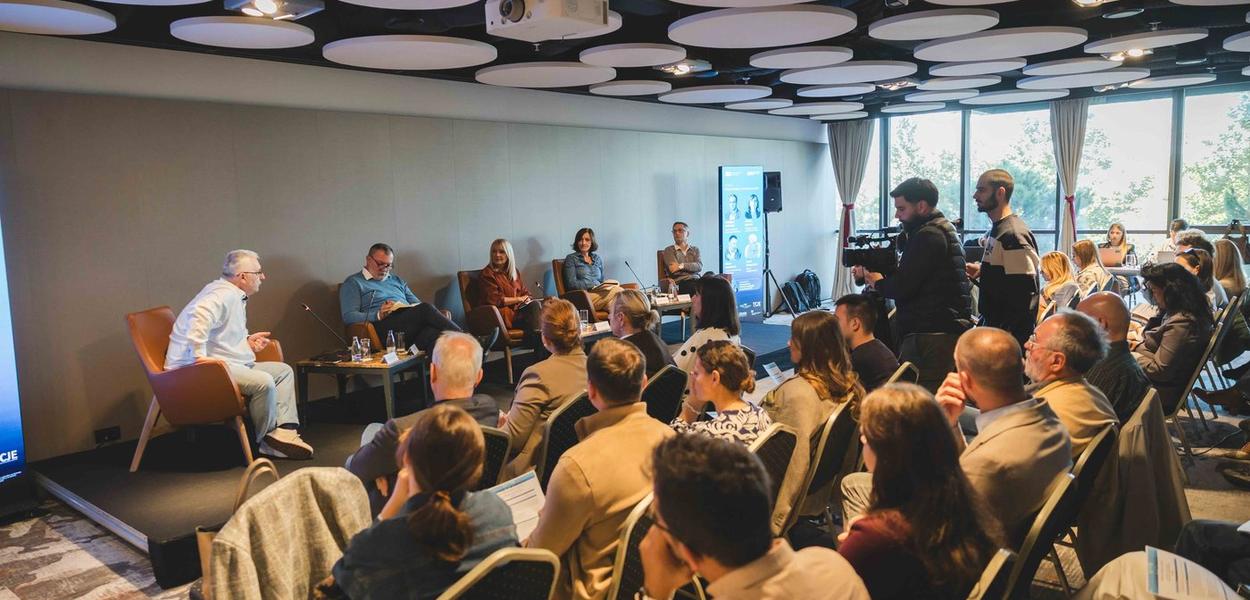
The fight against disinformation must not become an excuse to restrict freedom of expression. Instead, it must be based on the professional responsibility of the media, effective fact-checking mechanisms and the political will to protect the public interest. This was one of the conclusions reached during the first part of the media literacy conference „Verify, Understand, Believe“, organised today in Podgorica by the Centre for Civic Education (CCE).
The conference, organised as part of the MedIA-Lit programme with the support of the European Union and the Ministry of Regional Investment Development and Cooperation with NGOs, concluded that, at a time when public opinion is shaped beyond national borders, transparency in media ownership and financing, independent journalism, accountability on the part of digital platforms and media literacy are essential prerequisites for Montenegro's democratic resilience.
- Protecting the media landscape cannot be reduced to the question of domestic versus foreign ownership. Transparency in financing, editorial independence, professional standards, accountability on the part of digital platforms and citizens' ability to critically assess information are equally important. Without these prerequisites, formal pluralism does not necessarily translate into genuine diversity of information and opinions - the CCE said in a statement, summarising the discussion.
Director of Strategy and Communications at the NGO, Zvezdana Kovač, said that although Montenegro had achieved its best result to date in the Media Literacy Index, ranking 26th, it remained well below the European average.
- What is also worrying is the gap between citizens' confidence in their abilities and their actual skills, given that 79 per cent believe they can recognise propaganda, while 40 per cent have already shared fake news - Kovač said.
She also highlighted generational differences in how people obtain information.
- We have two worlds that do not communicate with each other: older audiences who get their information from television, and young people who live on TikTok and Instagram. Different approaches are needed for both, but the goal is the same - critical thinking - Kovač said.
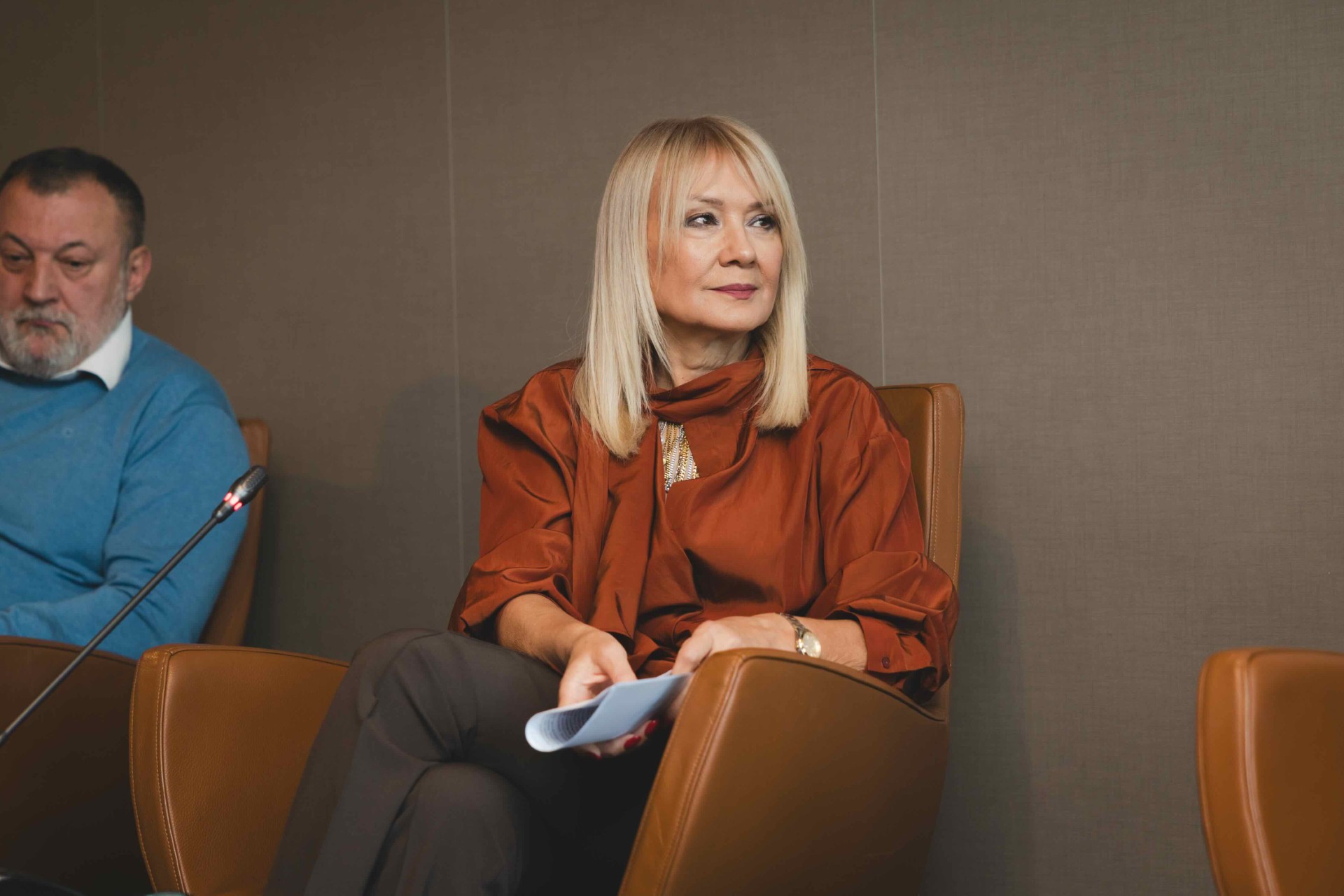
She believes media literacy must be incorporated into the school curriculum rather than addressed only through occasional workshops and projects.
- The very title of this conference conveys an important message: trust should not be the starting point, but the outcome. It comes only after we verify and understand - Kovač emphasised.
During the panel discussion „Who Writes the News We Read in Montenegro?“, participants examined the impact of foreign ownership and capital on editorial autonomy, the shaping of media narratives and the selection of topics that enter the public sphere.
According to the CCE, the discussion also addressed how regional and international conflicts are carried over into Montenegro's media landscape, the responsibility of online news outlets for the content they publish, and whether media pluralism genuinely brings a diversity of opinions or merely multiplies the same messages.
Editor-in-chief of the Rmedia news portal Neđeljko Rudović recalled the historical consequences of foreign media influence in Montenegro.
- In the early 1990s, public opinion in Montenegro was shaped not only by domestic but also by foreign media, and the consequence was that Montenegro was pushed into a senseless war. Today, we can still see similar patterns, and the question is how, and whether, we have responded adequately - Rudović said.
He noted that, despite numerous weaknesses, Montenegro's media scene had demonstrated resilience and contributed to exposing questionable narratives. Nevertheless, he expressed concern over possible changes in the ownership structures of influential media outlets, particularly in connection with plans he associates with capital from Serbia.
- If the plan they have in Belgrade, with Alpak Capital as its executor, comes to fruition, it will spell disaster for Montenegro - Rudović said.
He warned that such a development could lead to tabloidisation and the degradation of the media landscape, weaken domestic editorial autonomy and impose narratives that influence political processes.
- Montenegro will have less and less say over its own affairs, even though its influence is already limited to some extent. That is why I maintain that this is the greatest danger our society is facing at this moment - Rudović said.
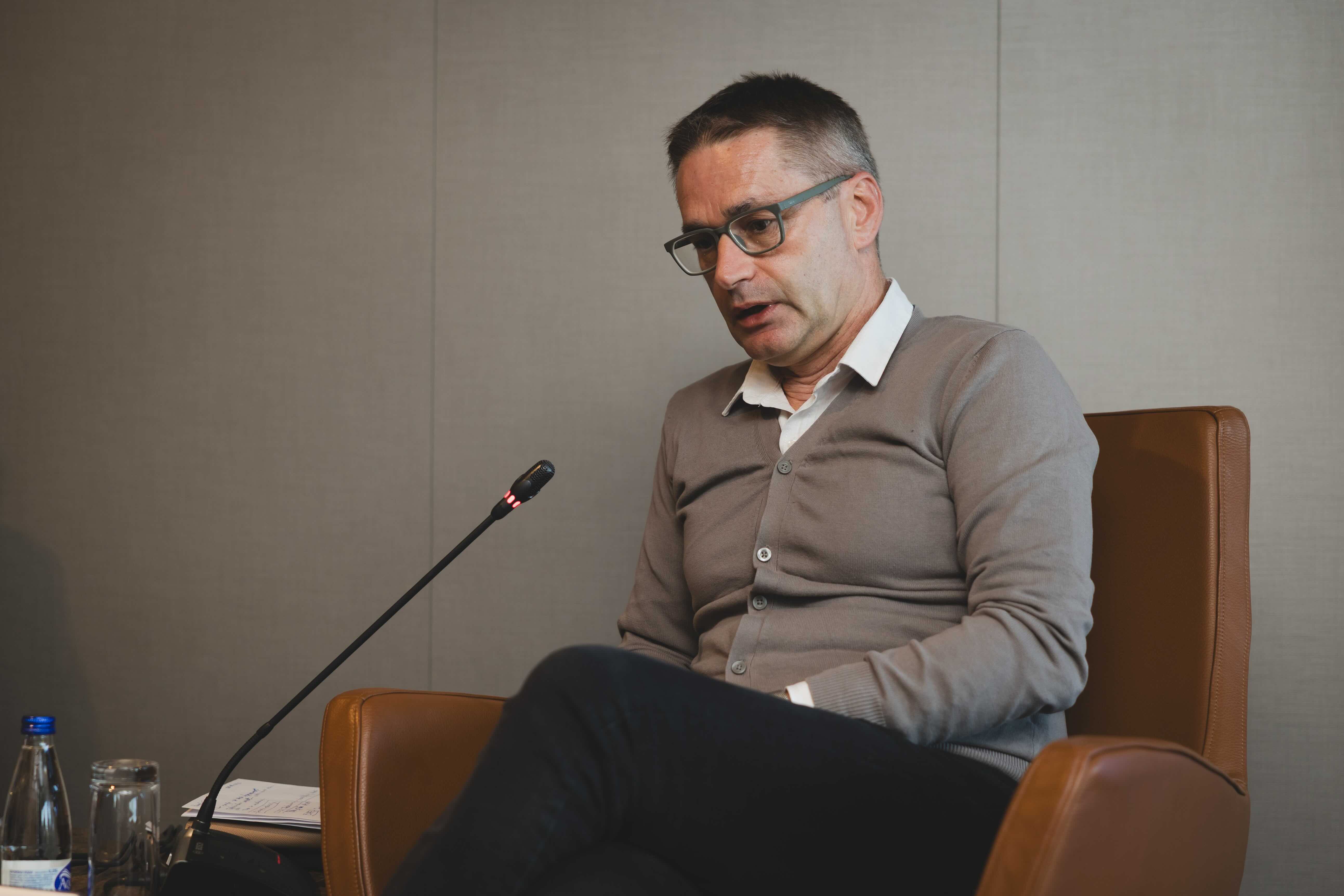
He also stressed that media outlets must have effective mechanisms for correcting mistakes and addressing serious professional negligence.
- Every journalist must ask themselves whether they have done everything possible to verify a piece of information, rather than blindly relying on unofficial sources - Rudović emphasised.
Director of the Media Institute of Montenegro, Olivera Nikolić, highlighted the vulnerability of the country's small media market, which is exposed to various political, economic and other influences. She stressed that media pluralism cannot be measured solely by the number of media outlets, but also by the diversity of their content, the quality of reporting and the coverage of issues of public interest.
- When we talk about media pluralism, it is important to look not only at the number of media outlets entering the Montenegrin market, but also at which topics are left out, even though they are important to citizens - Nikolić explained.
Addressing the fight against disinformation, she warned of the dangers of introducing criminal-law provisions without sufficient consideration, particularly in circumstances where freedom of expression is not always properly understood.
Instead, she highlighted the need for stronger regulation of digital platforms and for aligning domestic legislation with European media standards.
- There are many proactive mechanisms that can work in our favour, such as media literacy, and responsibility for this situation cannot be shifted onto citizens alone - Nikolić said.
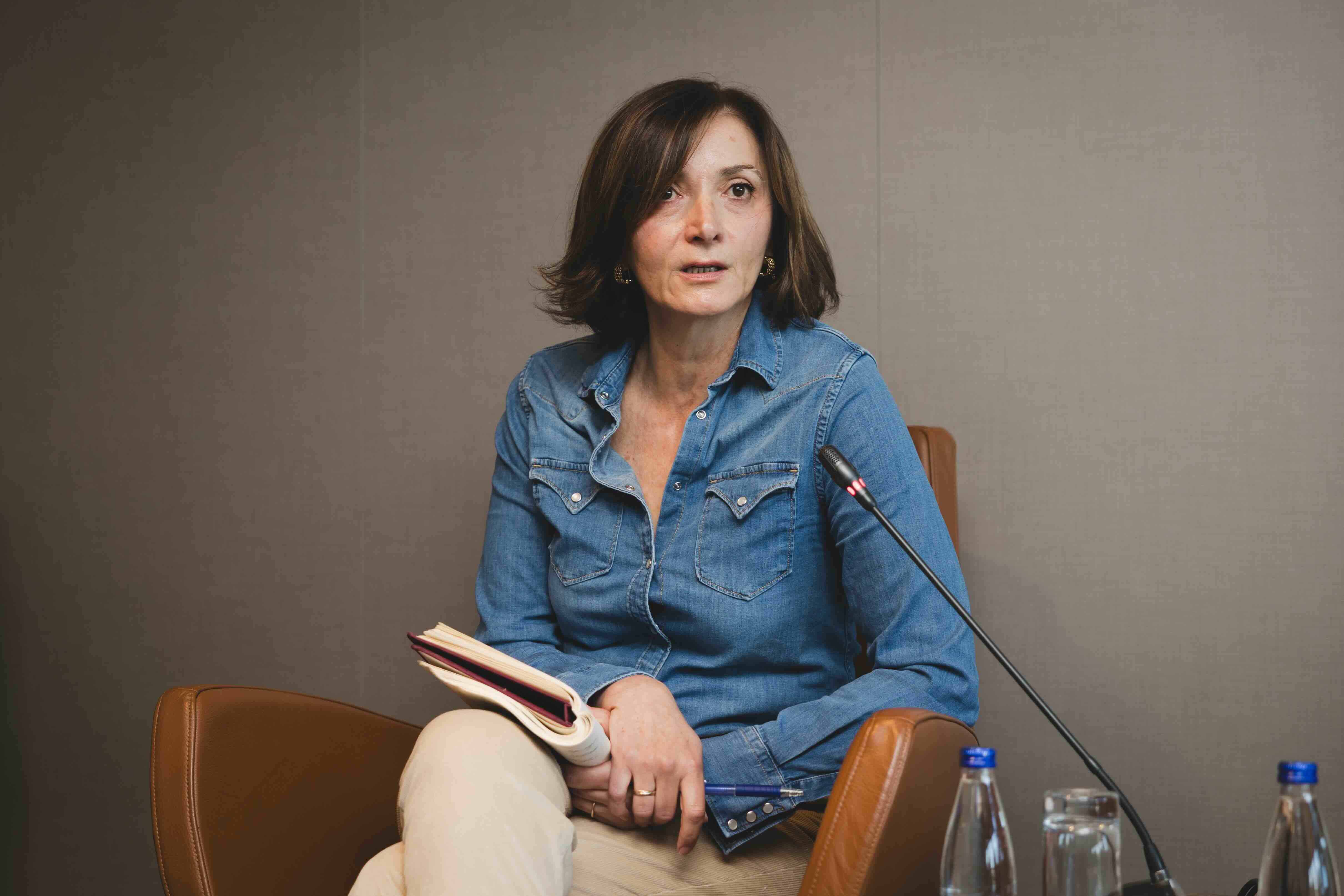
She also emphasised the importance of effective public policies and political will in addressing harmful foreign influence and disinformation.
- It is our obligation to align our legislation with European media regulations that safeguard the mental, emotional and physical health of citizens - Nikolić said.
Director of Radio Television Nikšić (RTNK), Nikola Marković, warned about the lack of transparency in media ownership, recalling previous cases involving companies whose ownership structures had been linked to offshore jurisdictions.
- Foreign ownership of media is not inherently problematic, but large amounts of capital also bring a drive for greater control and power - Marković said.
According to him, around 90 per cent of the ownership of media outlets holding national broadcasting licences in Montenegro is in foreign hands. This raises questions about the mechanisms needed to protect the public interest and editorial independence.
As examples of different regulatory approaches, he cited France, Spain, Austria and Poland, pointing to restrictions on ownership concentration, transparency in financial flows and oversight of ownership structures.
He singled out the French model, explaining that it provides for a 20 per cent limit on foreign ownership and an assessment of whether such ownership is compatible with the public interest.
Marković argued that protecting Montenegro's domestic media landscape requires clear rules, transparency regarding ultimate beneficial ownership and political accountability on the part of lawmakers.
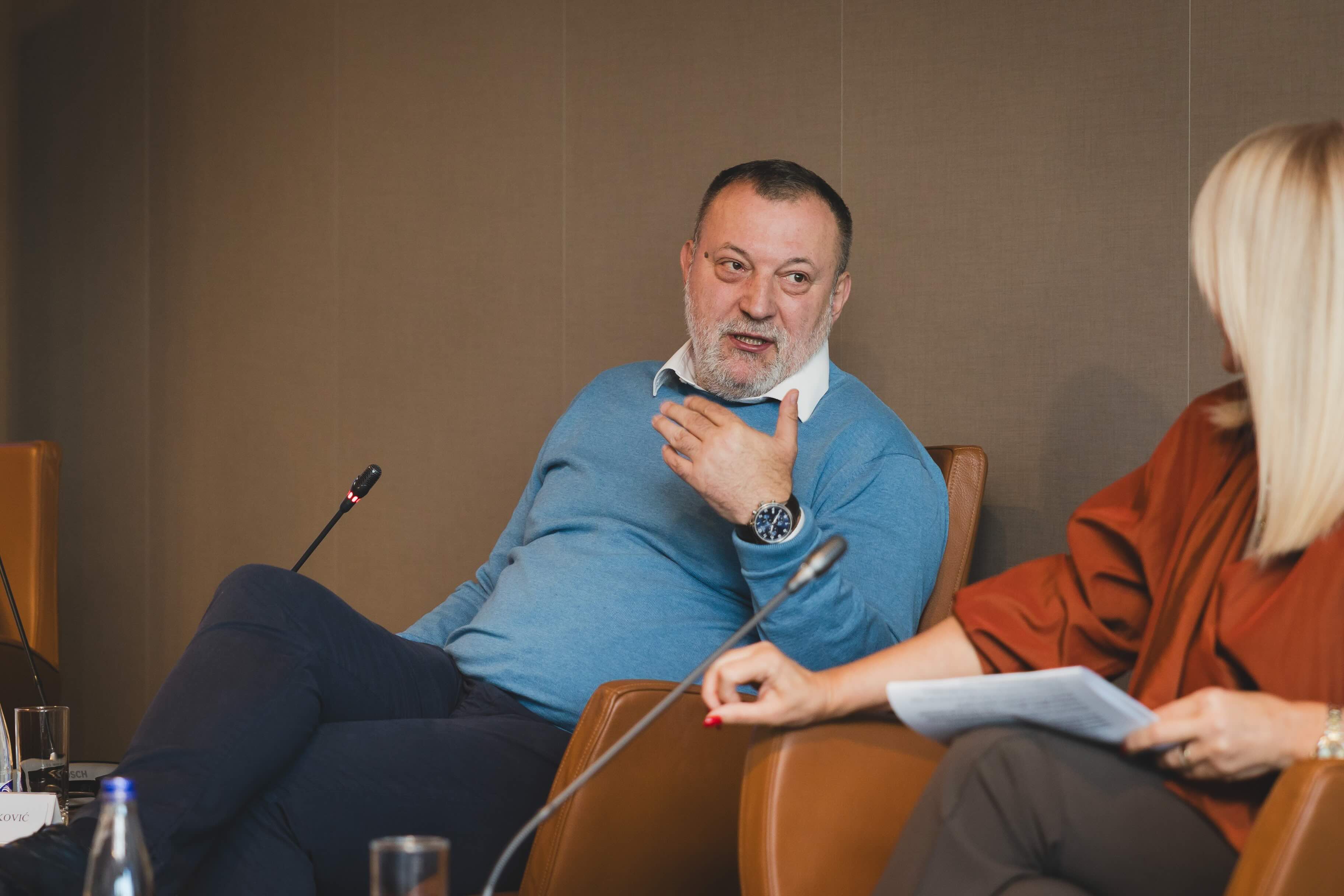
He also pointed out that Montenegro has no statutory limit on the number of television stations holding national broadcasting licences, of which there are currently six, according to him.
- Protecting the domestic media landscape is a matter of political will and accountability on the part of lawmakers - Marković said, stressing that, in the public interest, it is essential to know not only who formally owns media outlets, but also which economic and political interests lie behind them.
Zoran Radulović, a journalist with the Monitor weekly, stressed that media ownership directly concerns citizens because it affects the quality, reliability and independence of the information they receive.
- Perhaps what matters most is not who the actual owner is, but who pays for the media outlet - whether they invest money in it or extract money from it - Radulović said. He warned about the influence of undisclosed advertisers, financial interests and the state, which can shape media policy even without holding a formal ownership stake.
Commenting on possible changes to the editorial policy of Vijesti, he said that the audience could feel the greatest consequences, given the outlet's importance and influence.
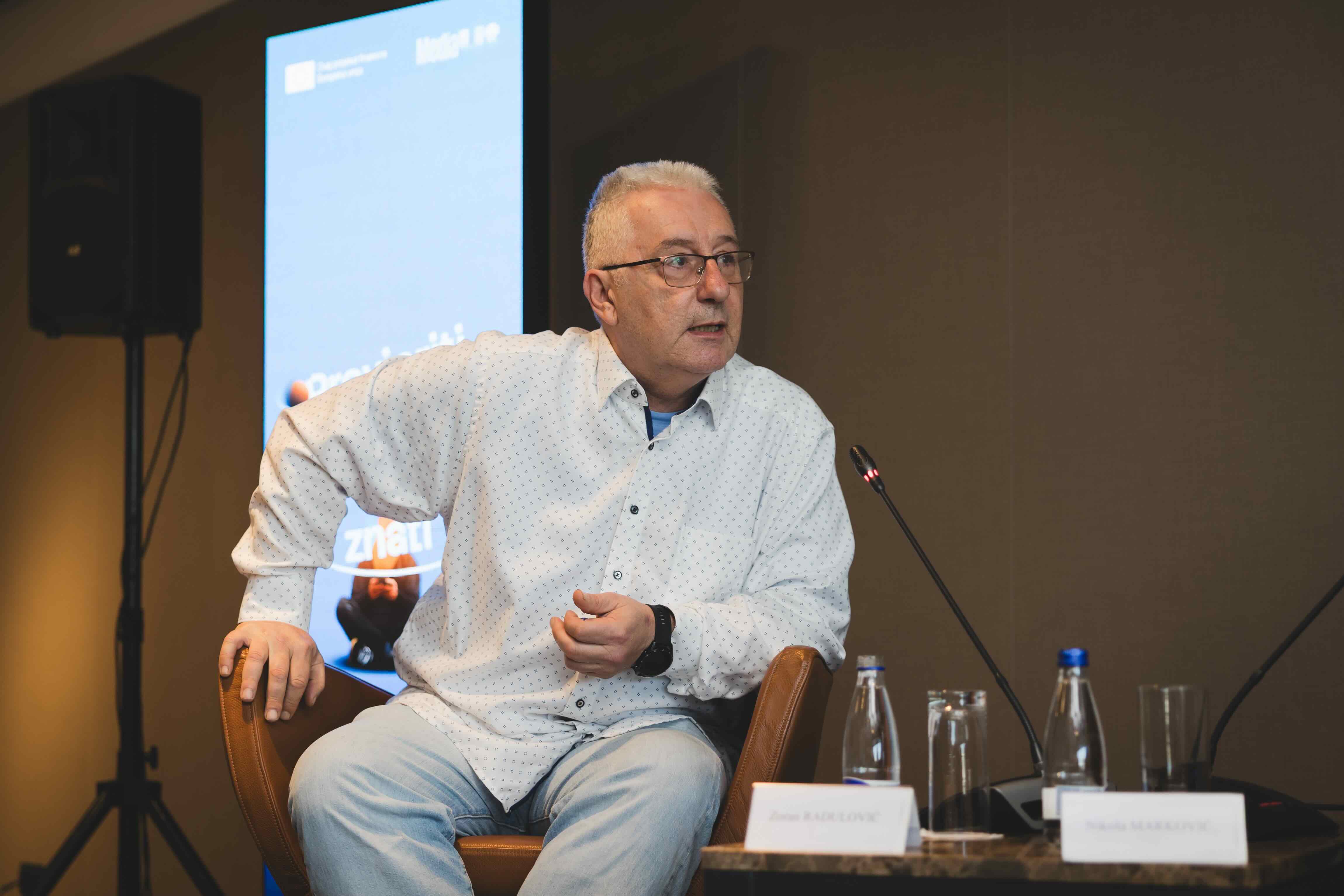
According to him, any potential tabloidisation could cause serious disruption to Montenegro's media landscape.
Radulović also raised questions about the effectiveness and expertise of institutions responsible for imposing sanctions for the spread of disinformation. He warned that a proper understanding of the specific nature of journalism is essential, citing examples of inadequate responses in cases involving attacks on journalists.
- When someone steals electricity, the court appoints an expert in the relevant field. But when have you ever heard of a court calling in a media professional to explain the context in which a journalist was attacked - Radulović asked, emphasising the need for a more specialised approach by the judiciary to issues concerning the media.