




Sever: Less than one percent of the population lives in countries where the media are free

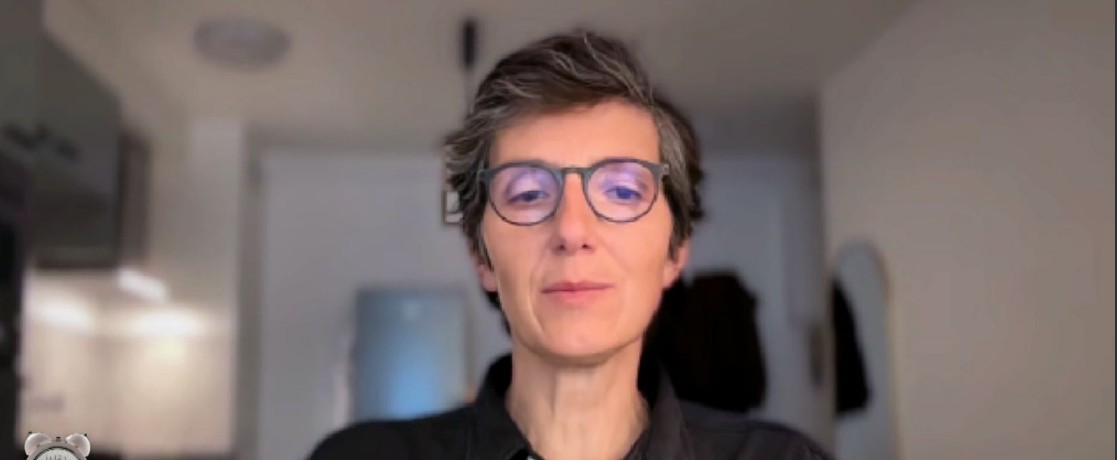
It is concerning that less than one percent of the world’s population lives in countries where the media can be considered fully free – said President of the European Federation of Journalists Maja Sever during the morning program „Budilnik“ on Television E.
Global and regional research, as stated, indicates that journalists are exposed to attacks on a daily basis.
- The rise of populism at the political level, as well as a narrative that is increasingly accepted, especially by leaders of powerful countries such as U.S. President Donald Trump, has resulted in the targeting of journalists, insults, the cancellation of programs, and bans on their work, both globally and in the region - Sever said.
World Press Freedom Day is marked on May 3, and according to data from Reporters Without Borders, as Sever noted, 2025 is the worst year in the past 25 years since global media freedom assessments began.
She added that more than half of all countries have a difficult or very serious situation when it comes to journalism, representing the lowest global score since 2002.
- You need to understand that this is very thorough research - it’s not a matter of impression, but of collecting data and truly relevant information about what is happening - Sever said.
She noted that a general downward trend has been recorded almost everywhere in the world, with the exception of Scandinavian countries, while Montenegro has seen a milder decline in media freedom compared to Serbia.
- In any case, it is not good news for your country that it is declining. We know the figures regarding attacks on your colleagues in Montenegro. In the past five to six years, I believe there have been as many as 146 attacks. Unfortunately, women are once again more frequently targeted. Of course, male colleagues are also attacked. All statistics, both global and European, compiled by organizations in our countries, as well as research by the Trade Union of Media of Montenegro, show that journalists are almost daily exposed to attacks, online abuse, and hate speech. All of this is accompanied by a very poor economic situation and unfavorable contracts. I believe that in Montenegro there is even data showing that three out of four journalists earn below the average salary, alongside a rise in attacks. These incomes are something that characterizes the media landscape - globally, in Europe, and also in your country - Sever emphasized.
A decline in trust in journalism, the rise of populism at the political level, and a narrative that, according to Sever, is increasingly embraced by leaders of major countries such as the United States, have led to the targeting of journalists, insults, the cancellation of programs, and bans on work, trends that, she assesses, quickly spill over into countries of the region.
- The leader of such behavior is Aleksandar Vučić in Serbia, who, along with recent changes at N1 television, has reached a point where he has almost completely managed to capture the media scene in Serbia. All of this is accompanied by open, harsh attacks, threats, and sometimes even physical assaults on journalists. The general trend of attacks on journalism and on those engaged in investigative work, those who ask questions and scrutinize, while political and economic powerholders increasingly disregard democratic norms of conduct and instead openly attack, insult, and target media workers, represents a global and European trend that has also spread to our countries - Sever concluded.