



Mercier: Podgorica and Zagreb should resolve disputes through dialogue, EU does not rule out arbitration

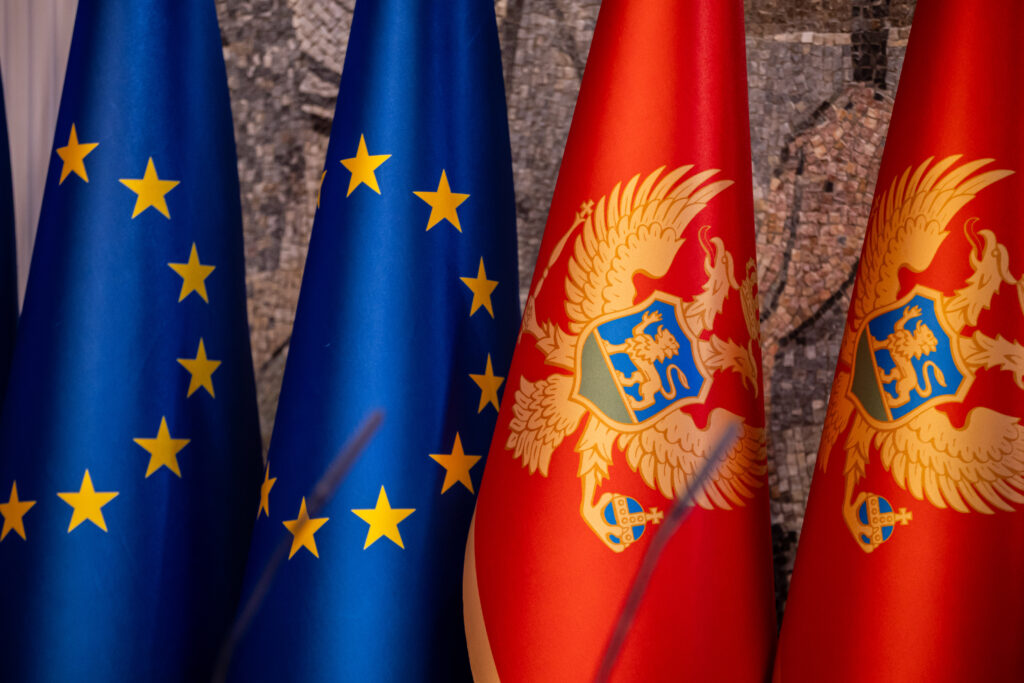
Good neighbourly relations remain at the heart of the European Union accession process, and Montenegro and Croatia will have to make additional efforts to resolve outstanding bilateral issues through constructive dialogue and find mutually acceptable solutions.
This was the message delivered by European Commission spokesperson Guillaume Mercier, who, in a response to Portal Standard commenting on the escalating tensions between Podgorica and Zagreb over the issue of border demarcation, highlighted the importance of good neighbourly relations, particularly during the final stage of Montenegro’s accession process.
- Good neighbourly relations remain at the heart of the accession process. They will require increased efforts during the final stages of Montenegro’s accession path. The European Commission encourages both sides to continue addressing all outstanding bilateral issues through constructive dialogue, with the aim of finding mutually acceptable solutions - Mercier stated in his response to Standard.
Along with its response, the European Commission also referred to remarks made by European Commissioner for Enlargement Marta Kos at the latest EU-Montenegro Intergovernmental Conference, held on 19 November, where outstanding issues between Podgorica and Zagreb and their potential impact on Montenegro’s European path were also discussed.
On that occasion, Kos said that it was up to Montenegro and Croatia to decide how to resolve their outstanding issues, including the possibility of arbitration, which the European Commission would not oppose.
- As for how they will resolve the outstanding issues, that is really up to Croatia and Montenegro. I do not know whether they will opt for arbitration. If they do, we will all support it - Kos said.
At the same conference, Irish Minister for European Affairs Thomas Byrne, who chaired the Intergovernmental Conference, noted that bringing bilateral issues into the accession process was nothing new, but stressed that the spirit in which discussions were conducted was crucial.
He expressed his expectation that Croatia and Montenegro would reach a solution, noting that, so far, he had seen a constructive approach from both sides. Byrne also pointed out that the European Union had historically emerged as a response to major bilateral disputes in Europe, adding that he believed the two countries could find a mutually acceptable solution.