



Kos: Bringing national interests into negotiations is nothing new, I hope Montenegro and Croatia will resolve outstanding issues by the end of the year

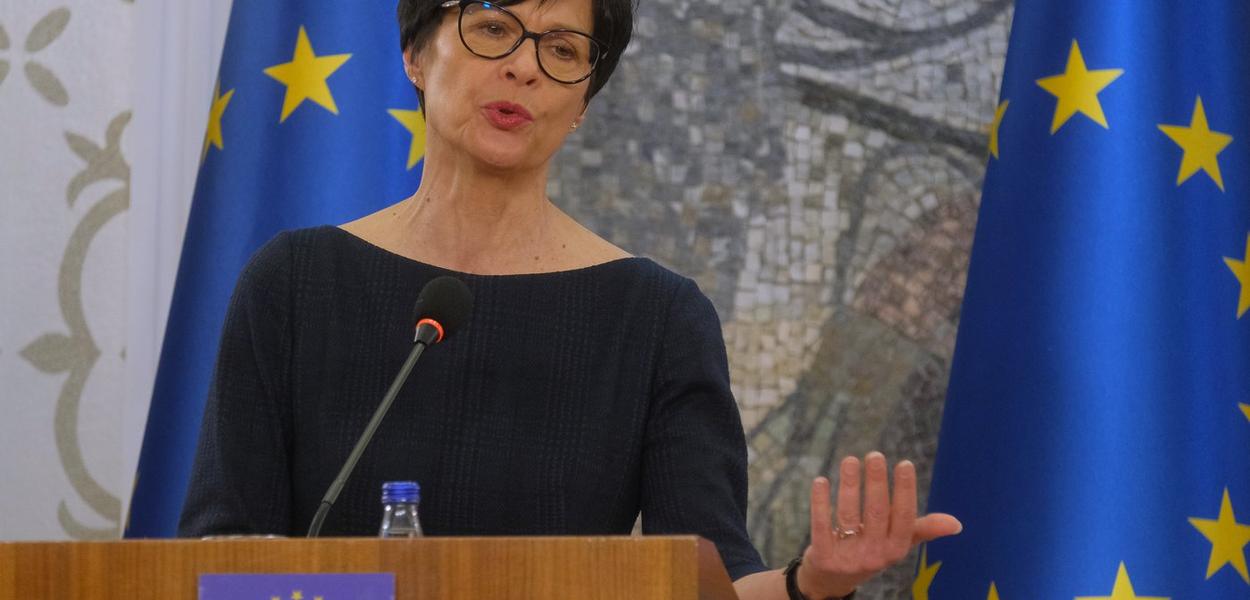
Bilateral relations between Croatia and Montenegro are not part of the technical negotiations. However, it is clear to everyone that the two countries will have to resolve their outstanding issues before Montenegro becomes a member of the European Union - European Commissioner for Enlargement Marta Kos has said.
Earlier this week, Kos presented the European Union's annual Enlargement Package in Brussels, in which the European Commission assesses the progress made by candidate countries on their path to EU membership.
While the four most active countries - Montenegro, Albania, Moldova and Ukraine - have made significant positive progress, the remaining countries continue to show a considerable lack of political will to pursue their European path, particularly Serbia and Bosnia and Herzegovina.
Podgorica has addressed two of Croatia's eight demands, but some of the most difficult issues remain unresolved. In an interview with Slovenia's N1, Kos said that Montenegro and Croatia were a typical example of how unresolved issues affect developments in countries.
- There are two parallel tracks in the accession negotiations. One is technical, requiring a country to align its legal system with that of the European Union. The other concerns the dynamics between EU Member States and candidate countries. You mentioned Montenegro and Croatia. This is a typical example of how unresolved issues from our shared past continue to affect what is happening in these countries, or between them, more than 30 years after the breakup of Yugoslavia. Bilateral relations between Croatia and Montenegro are not part of the technical negotiations. However, it is clear to everyone that the two countries will have to resolve their outstanding issues before Montenegro becomes a member of the European Union - Kos pointed out.
She noted that bringing one's own interests into the negotiation process was nothing new.
- We in the European Union have known this for a long time. The question is whether bringing one's own interests into the negotiation process results in blockages, or whether both countries are willing to take a step forward in the spirit of good-neighbourly relations. Resolving or coming to terms with the past of the former common state is not always easy. Much of what Croatia is now demanding from Montenegro relates to a period when Montenegro was still part of Yugoslavia, or what remained of Yugoslavia together with Serbia - Kos stressed.
Nevertheless, she said she remained optimistic, as some steps had already been taken, and expressed hope that the outstanding issues would be resolved by the end of the year.
- If they are not resolved, the two countries will at least have to agree on how to resolve them - Kos said.