



Darmanović: Brussels’ support is strong, but we should not delude ourselves into thinking the EU will admit us without meeting the conditions; Popović: Membership before 2029 will be difficult to achieve

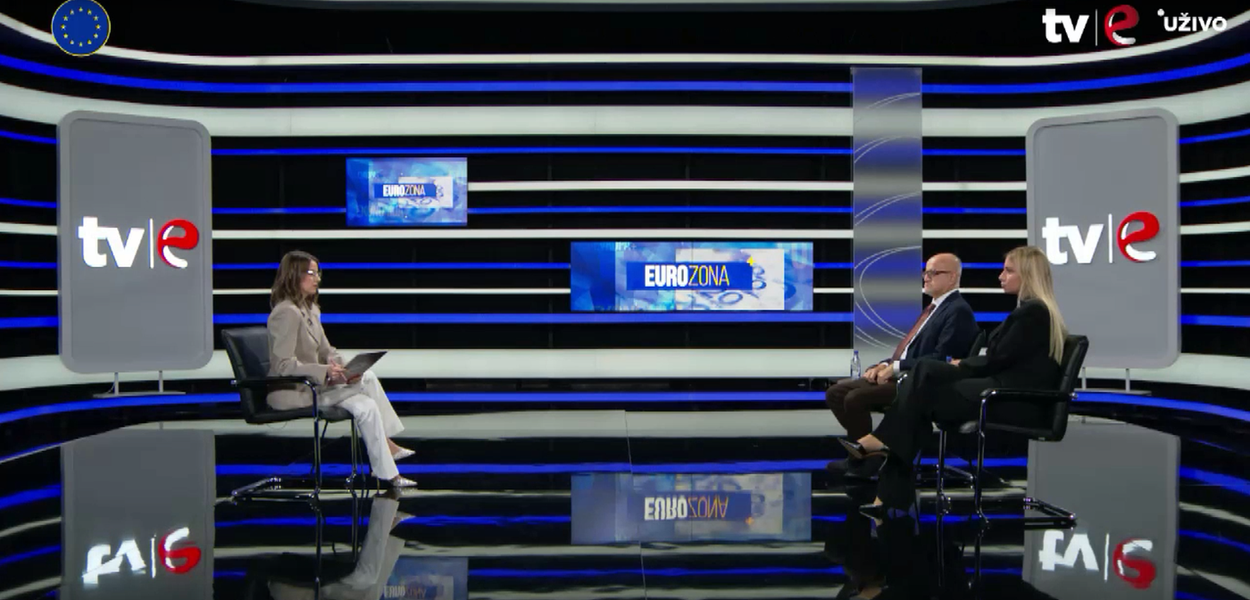
The European Commission’s 2026 Report on Montenegro, which is due to be presented today, is expected to reaffirm the strong support of European institutions for Montenegro’s EU membership. However, that support will not be enough unless Montenegro makes tangible progress in meeting the final benchmarks and resolves outstanding bilateral issues with Croatia, guests on TV E’s programme „Eurozona“ said.
Former Montenegrin Foreign Minister and Professor at the Faculty of Political Science, Srđan Darmanović, stressed that the European Commission is currently one of Montenegro’s strongest allies in the enlargement process, as well as one of the most vocal advocates of its membership at the earliest possible date.
- It has been noted on several occasions that, when it comes to EU enlargement, geopolitics has been on our side. The European Commission will certainly continue doing what it has done in recent years - pushing Montenegro forward. Germany has given fairly strong backing to Montenegro’s EU membership, and strong messages have also been sent that bilateral disputes should not affect Montenegro’s accession to the Union - Darmanović said.
However, he warned that Brussels’ support should not be regarded as a guarantee of membership if Montenegro fails to deliver on what is expected of it.
- We can view Brussels as a strong source of support, but we should not delude ourselves into thinking that it will bring us into the EU if we fail to take the necessary steps to technically meet the requirements for closing the negotiating chapters, as well as to resolve the political aspect of the process - that is, the negotiations with Croatia - Darmanović stressed.
Commenting on Croatian Prime Minister Andrej Plenković’s latest statement that closing the chapters by the end of the year is possible if there is political will to resolve outstanding issues, Darmanović said that the Croatian Prime Minister had maintained this position in the past as well, but noted that some progress had been made in the meantime.
Darmanović pointed out that Croatia’s list of demands is shorter than it was previously and that not all the issues are equally realistic to resolve.
- Missing persons are not in Montenegro, and I do not believe it will turn out that any such persons are in our country. I assume this is an issue Croatia will address with Serbia in the future. Property restitution is a long-standing issue. Croatia had to deal with a similar matter involving the Italian minority in that country. It is evident that EU member states use their privileged position vis-à-vis candidate countries to resolve outstanding issues - he said.
According to him, Germany could potentially exert influence on Croatia and try to persuade it not to burden Montenegro’s European path, but it will not abandon its own member state.
- Germany may make certain efforts to persuade Croatia when it comes to Montenegro, but it will not abandon its member state. Therefore, we have to resolve these bilateral issues ourselves - Darmanović emphasised.
He identified the training ship Jadran and the land border as two issues that could realistically be resolved through an agreement.
- I have never understood why the ship Jadran is so important. I do not know whether it has any value beyond its symbolic significance. The second issue is the so-called land border. I do not understand why Croatia raised this matter, because the delimitation of the borders between the former Yugoslav republics, based on the recommendations of the Badinter Arbitration Commission, and Croatia’s borders are not disputed. Montenegro should confirm that it has no territorial claims against Croatia - Darmanović said.
As he explained, the maritime delimitation issue is much more significant for Montenegro, but Croatia is not currently raising it.
- My understanding is that the issue of maritime delimitation will be left until both countries become EU members and will most likely be referred to one of the courts - either the International Court of Justice in The Hague or the International Tribunal for the Law of the Sea in Hamburg - he noted.
Darmanović believes that Podgorica and Zagreb should resolve their outstanding issues as soon as possible so that they do not place an additional burden on Montenegro’s accession negotiations.
- We should resolve this matter with Croatia as soon as possible so that it does not hinder our negotiating process. It is in Croatia’s interest for Montenegro to join the EU, because the entire Adriatic would then be under the European umbrella - Darmanović said.
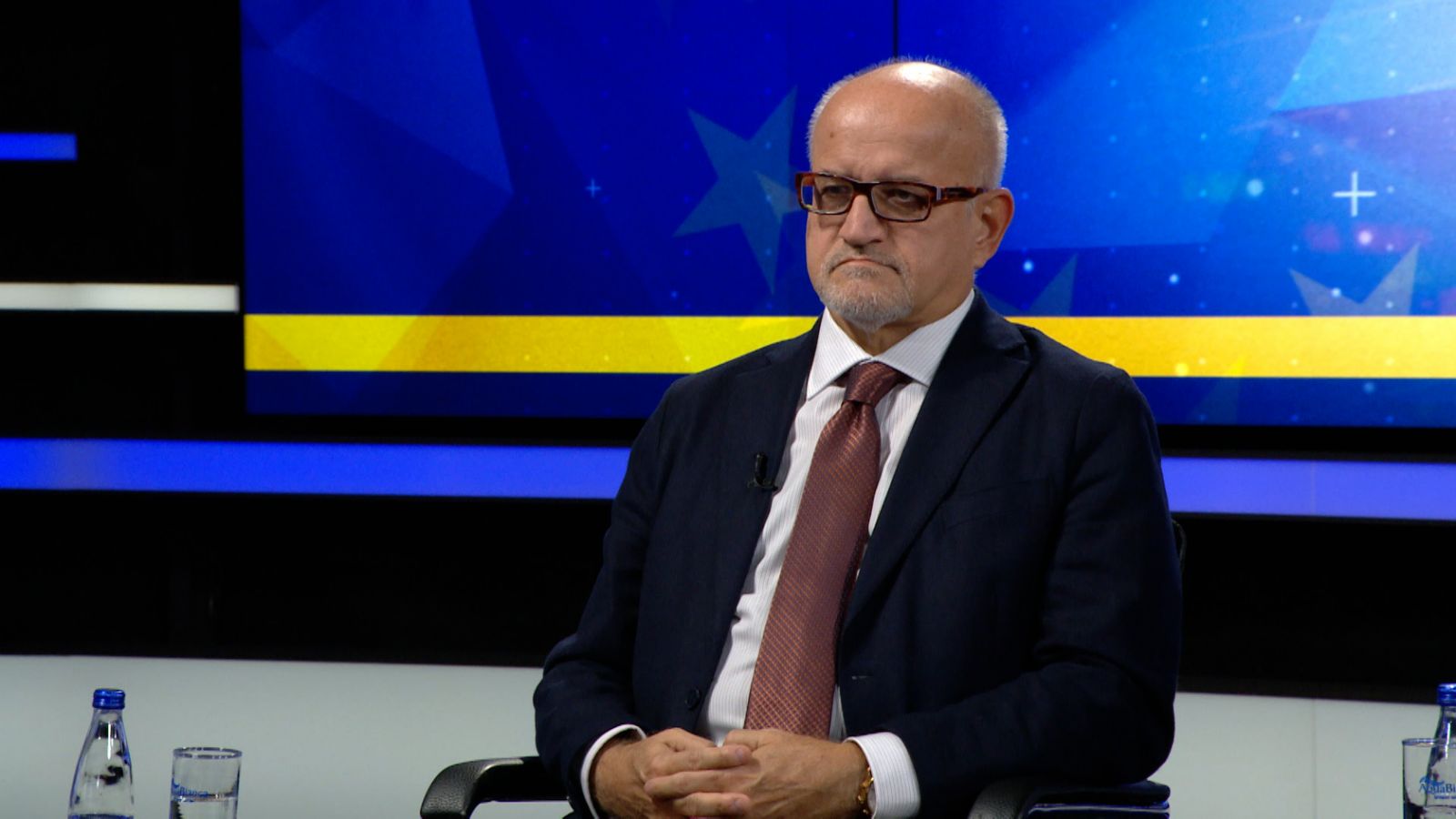
Reflecting on the way Plenković has insisted on resolving outstanding issues, Darmanović said he did not understand why they could not be addressed through quieter diplomatic channels.
- There is a bit of political theatre involved. He could have resolved this through quiet diplomacy and a trilateral meeting with our president, the Chancellor or the President of the European Commission. There may also be an element of domestic politics in Croatia. I cannot speculate. The question has been raised as to whether Andrej Plenković is strengthening his position within the EU in this way. I do not think he had a personal motive to strengthen his credibility, but if you approach these matters rationally, these issues should be taken off the agenda as soon as possible - Darmanović said.
He emphasised that Montenegro’s accession to the EU at the earliest possible date is the ultimate goal of the current Government and the state, which is why diplomatic efforts must also focus on the countries that will be required to ratify the Accession Treaty.
- There may be further challenges ahead. We are not discussing whether we have influence or lobbying efforts in the French Parliament. Elections are coming up there, and we need to focus on intensive communication with the countries that will have to ratify the Accession Treaty - he warned.
Nevertheless, Darmanović said he did not see any pessimism on Croatia’s part, nor did he believe that anyone was currently talking about blockades.
Popović: The EC will give the green light to close the chapters, but that does not mean EU membership by the end of 2028
Executive Director of the Network for European Policies Andrea Popović believes that the upcoming report could be the most positive one to date, potentially giving the green light for the completion of the negotiating process by the end of 2026. However, she warned that this does not mean Montenegro will join the Union by the end of 2028, adding that an early 2029 accession date would be a more realistic timeline, even if the process is accelerated.
- We have seen indications that this should be the most positive progress report to date, and the last one, which should mean that Montenegro is expected to complete its negotiating process by the end of 2026. However, we have been negotiating for 14 years. So far, we have provisionally closed 21 out of a total of 33 chapters, which means that we closed just three chapters over the first 12 years, compared with 18 in the past two years - Popović said.
She believes that changing geopolitical circumstances have had a significant impact on the pace of Montenegro’s European integration.
- Following Russia’s aggression against Ukraine, we became an acceptable EU member. We do not have major disputes with neighbouring countries or EU member states, and we are fully aligned with EU policy. That is why Europe realised that it was better to keep us closer to itself than within other spheres of influence - Popović noted.
Nevertheless, she expects the European Commission’s report to highlight the problems that continue to pose obstacles to Montenegro’s European path, primarily in the areas of the rule of law and the fight against organised crime and corruption.
- I think it will highlight issues such as the rule of law and the need for a stronger fight against organised crime and corruption, while maintaining that we have met sufficient benchmarks to close the negotiating chapters - she said.
Popović particularly emphasised that a potential green light from the European Commission to close all negotiating chapters by the end of 2026 does not mean that Montenegro will become an EU member by the end of 2028.
- It appears that the European Commission will give the green light to close all the chapters by the end of 2026, but that does not mean we will become a member by the end of 2028. I believe we cannot join the EU before early 2029, and that is only if everything proceeds at an accelerated pace - Popović warned.
As she explained, the European Commission can recommend the closure of negotiating chapters, but the final decision rests with the 27 EU member states, all of which must give their consent and ratify the accession process.
- Messages from Brussels are important, but the European Commission is there to make recommendations, while the 27 member states are the ones that have to say „yes“ to closing the chapters. They must ratify our accession process, and that could be the greatest risk for us - Popović stressed.
According to her, the race for ratification will begin next summer, and even the smallest domestic political problem in France could delay Montenegro’s accession.
- Even under perfect circumstances, I think it would be difficult for this to happen in 2028. Furthermore, we will not close all the chapters by the end of this year. The most important one, Chapter 23, will be postponed until early 2027 because of the situation with Croatia, which will also delay EU accession - she said.
Among the chapters that will require the greatest attention and effort, she identified Chapters 23 and 24, covering the judiciary, fundamental rights, justice, freedom and security, as well as Chapter 27, whose closure, she noted, requires substantial funding and adequate administrative capacity.
- I think Chapter 23 will be the last issue to be resolved, because of the situation with Croatia and the fulfilment of its demands - Popović said.
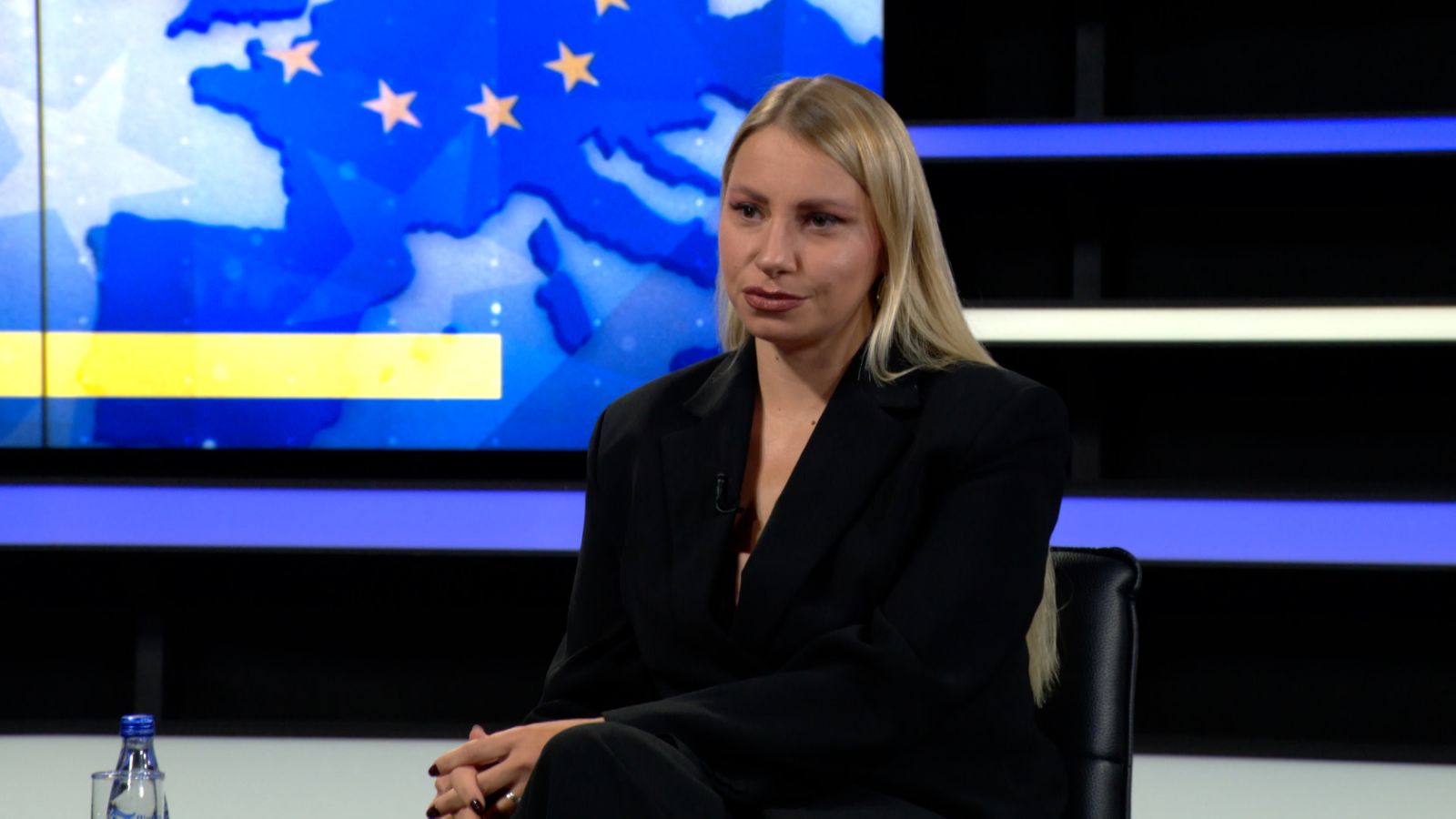
She also highlighted transport policy as another issue that could affect the final stages of the negotiations, given Montenegro’s and Croatia’s shared coastal border.
- I think it will remain uncertain until the very end what Montenegro will do through diplomatic channels, and how, in order to secure the green light for closing the chapters - she noted.
She concluded that relations with Croatia could pose a serious obstacle and slow down Montenegro’s European path, but that this would not necessarily amount to a blockade.
- It can be a brake, but not a blockade. This situation with Croatia will show us whether we are diplomatically mature enough to resolve serious issues - Popović said.
Darmanović: Political change in Serbia is impressive, we will see how it affects the region
Commenting on the change of government in Serbia, Darmanović described the development as impressive.
- This is a method and model of resistance to an authoritarian regime rarely seen in Southeast Europe. The student-led movement managed, over the course of two long years, to achieve a remarkable level of mobilisation, attract many people to its programme and its opposition to the regime, and resist certain violent scenarios. All of this led to this election result. A movement without clear leadership, with highly decentralised and horizontal decision-making structures, achieved success. This is an extraordinary model of political change that will also be studied at faculties of political science - Darmanović believes.
He said it was difficult to assess how this change would affect relations in the region, but expected a different policy from that pursued by Serbia’s former president and leader of the Serbian Progressive Party electoral list, Aleksandar Vučić.
- The student list brings together a diverse range of actors with different ideological orientations, and it is difficult to say at this stage which one will prevail. It is very likely that the new government will be oriented towards the West and Euro-Atlantic integration, although the Atlantic dimension remains an open question. As far as the region is concerned, I find it difficult to imagine that its policy could be the same as the one pursued by Aleksandar Vučić - Darmanović concluded.